Pila ski: Aosta’s High Mountain Playground
Pila ski combines a high alpine setting with a substantial vertical range and a piste network weighted towards intermediate skiing.

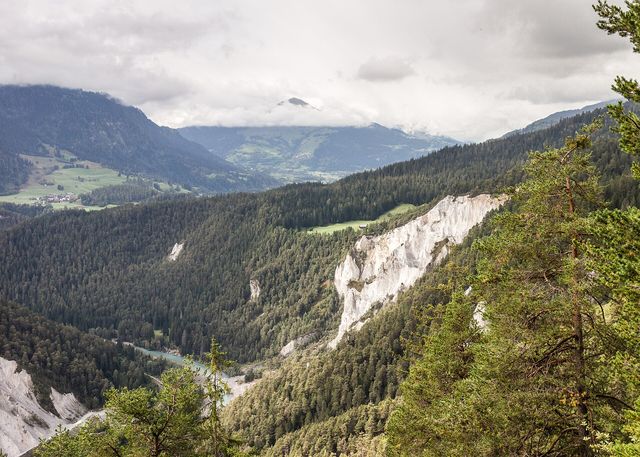
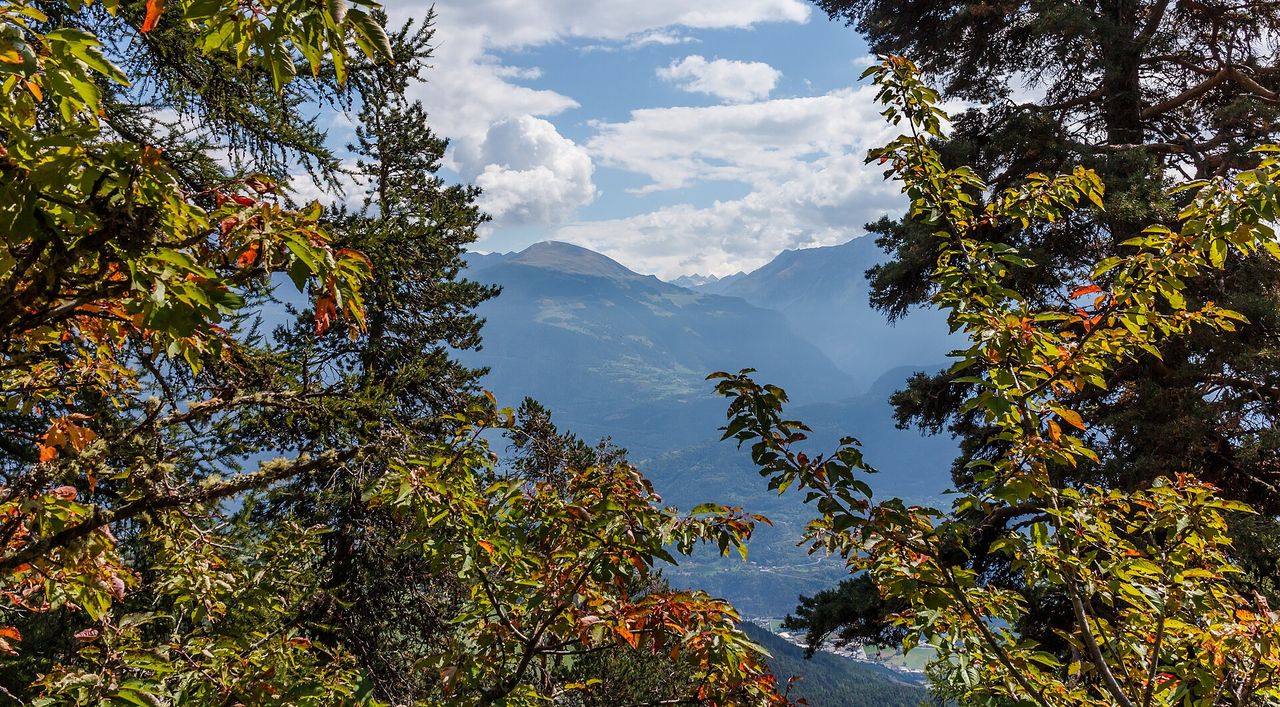
Pila ski sits above Aosta, with broad mountain slopes opening into the valley and higher terrain reaching towards a rugged alpine skyline. Its character is that of a compact, elevated ski domain close to an established mountain town: the lower mountain feels connected to the valley, while the upper slopes become more exposed and alpine. The setting gives the resort a strong sense of contrast, from wooded approaches to open terrain around the summit, without needing to leave the same ski area.
Bezmaksas sniega paziņojumi
Izvēlies savu kūrortu. Saņem bezmaksas e-pastu, kad prognozē ievērojamu snigšanu. Atteikties var jebkurā laikā.
The scale of the vertical is the headline. The mapped terrain rises from a base at 601 m to a summit at 2,387 m, while mapped runs and forecast points extend from 1,533 m to 2,723 m. That produces a measured vertical drop of 2,122 m, placing Pila ski in the top quarter of European resorts for this measure. The season window supplied by the operator is declared for 5 December 2026 to 2 May 2027, or 148 days, giving the calendar a broad span for planning.
OpenStreetMap coverage via OpenSkiMap maps 55.3 km of piste across 98 runs and 16 lifts; these are mapped figures rather than an operator’s official totals. The piste balance is clear: 37.9 km, or 68.6%, is classified as intermediate, with 9.4 km of easy terrain, 7.7 km of advanced terrain and 0.3 km for novices. In European colour terms, that means a strong red-piste emphasis, supported by blue and green sections, while black terrain makes up a meaningful but smaller part of the network. The mapped lifts include six gondolas, six chair lifts, one cable car and three magic carpets.
The climate record describes past winters, not a forecast. Across 10 winters, the December-to-March record at 2,387 m contained 275 cm of snow and 42 snow days; the strongest two-week period in the supplied record was the first half of March, with 50 cm. Temperatures in that record ranged from a minimum of -11.8°C to a midwinter maximum of -3.4°C. The lower base remains an important qualification: at 601 m, valley runs were more exposed to changes in the freezing level than the upper mountain.
Pila ski therefore suits skiers who want substantial vertical and predominantly red, intermediate terrain, with a high summit and a useful spread of easier pistes for progression. Advanced skiers have black runs to seek out, but the measured layout is not centred on expert terrain. The low base is the main point to weigh when considering the full mountain from valley to summit, while the upper elevation and the long declared season add useful context rather than a promise about future conditions.
- Top-quarter European vertical drop: 2,122 m.
- High summit: 2,387 m.
- Past December-to-March record: 275 cm over 10 winters.
- Low base at 601 m means valley runs depended on the freezing level.
Visus šeit redzamos datus ir izmērījis Skinow, izmantojot OpenStreetMap, ERA5 un mūsu pašu katalogu. Iestatījumi un fons ir vispārēja informācija, nevis mērījumi.